
Content warning: trans hate crime/murder, suicide
There’s a place you can go to get away from the heteronormative disaster of the real world. A place both underground and in the public eye; a place that’s been highly scrutinized since its conception, a place both banjee and bougie. This is a place with countless names through its years of existence. It has been the Globe Theatre, the circuses of vaudeville, the runway, the drag stage and for most of the twentieth century, it was the ballroom floor. It is in this magical place our story is set and the category is live, work, Pose.
Pose was created by Ryan Murphy, Brad Falchuk and Steven Canals. It aired on FX from 2018 to 2021, but is set in the late 1980s and early 1990s at the peak of the AIDs crisis. The first season was highly acclaimed, nominated for multiple awards including the Golden Globe Award for Best Television Series – Drama. Billy Porter, who plays ballroom emcee Pray Tell, won the Primetime Emmy Award for Outstanding Lead Actor in a Drama Series. He was the first openly gay Black man to be nominated for and win an Emmy lead actor category. After the show finished airing, Michaela Jaé Rodriguez, Blanca Evangelista on screen, was nominated for the Primetime Emmy Award for Outstanding Lead Actress in a Drama Series. She was the first trans lead ever nominated for the award.
This show has everything. Powerful social commentary, realistic depictions of POC and queer folk in the late twentieth century, iconic costumes and pure queer joy. All set to a killer soundtrack, which transports you right into the New York ballroom. Of course there are the classics: Diana Ross’ “I’m Coming Out,” Kate Bush’s “Running Up That Hill,” Donna Summer’s “On The Radio,” but the show’s soundtrack truly shines with the absolute cultural moments it explores.
The show opens with Blanca leaving her former house, Abundance, to form the House of Evangelista after being diagnosed as HIV-positive. She finds her first house recruit, a young dancer Damon, living on the streets. By the end of the first episode, Blanca gets him an audition at his dream dance school, where he performs to Whitney’s “I Wanna Dance With Somebody.”
Throughout history, many governments have attempted to police dancing. In American history alone, there have been countless outright bans on dancing, dancing on Sundays, dancing on campuses, gyrating, moshing and most notably dancing between same-sex couples. Disney infamously banned same-sex dancing at its Videopolis dance club until a court ruling prompted them to lift the ban, only a few years before Pose is set and Whitney’s iconic dance anthem was released. Though the plot of films like “Footloose” seem downright silly today, it and similar films were based in real laws which were aggressively enforced at a time. Gay or straight, the line “I wanna dance with somebody who loves me” has been more than just a longing for the nightlife after a long day’s work. The first season of Pose focuses on this struggle to simply dance and be free, as well as societal restrictions we hope to be free from in this nightlife.
Throughout the show, AIDs is an ever present force. It hits Pray Tell the hardest, as he spends much of the first season watching his lover, Costas, wither away. He spends many balls looping “Love Is the Message,” their song in an attempt to relive the days before the virus. He hosts the first of many AIDs Cabarets in the hospital, in hopes of cheering Costas up, where he delivers a heartbreaking rendition of Donny Hathaway’s “For All We Know,” followed by an even more gut wrenching rendition of “Home” from The Wiz by Pray and Blanca.
The Wizard of Oz has always been a beacon in the queer community, from the queer-coding of the Scarecrow and Tin-Man’s relationship in the original books to the “friends of Dorothy” the 1939 film spawned. The Wiz especially has held a special place among queer and POC fans, with its campy Harlem feel and its exploration of the themes of home and family inherent to any story following Dorothy. Modern iterations of The Wiz dive even deeper into this queerness, with the voguing Emerald City citizens and Queen Latifah’s drag king version of the Wiz in the live 2015 version of the musical. The version of “Home” in Pose dives so much deeper into these themes. It insists home isn’t a place you come from, but a place you make yourself like the houses of the ballroom. So many queer folk were abandoned as they died from AIDs, an undeniable sign of queerness to straight families and a constant reminder of their own frailty to the rest of the queer community. Again and again through Pose, those living with the virus find home with one another as they struggle.
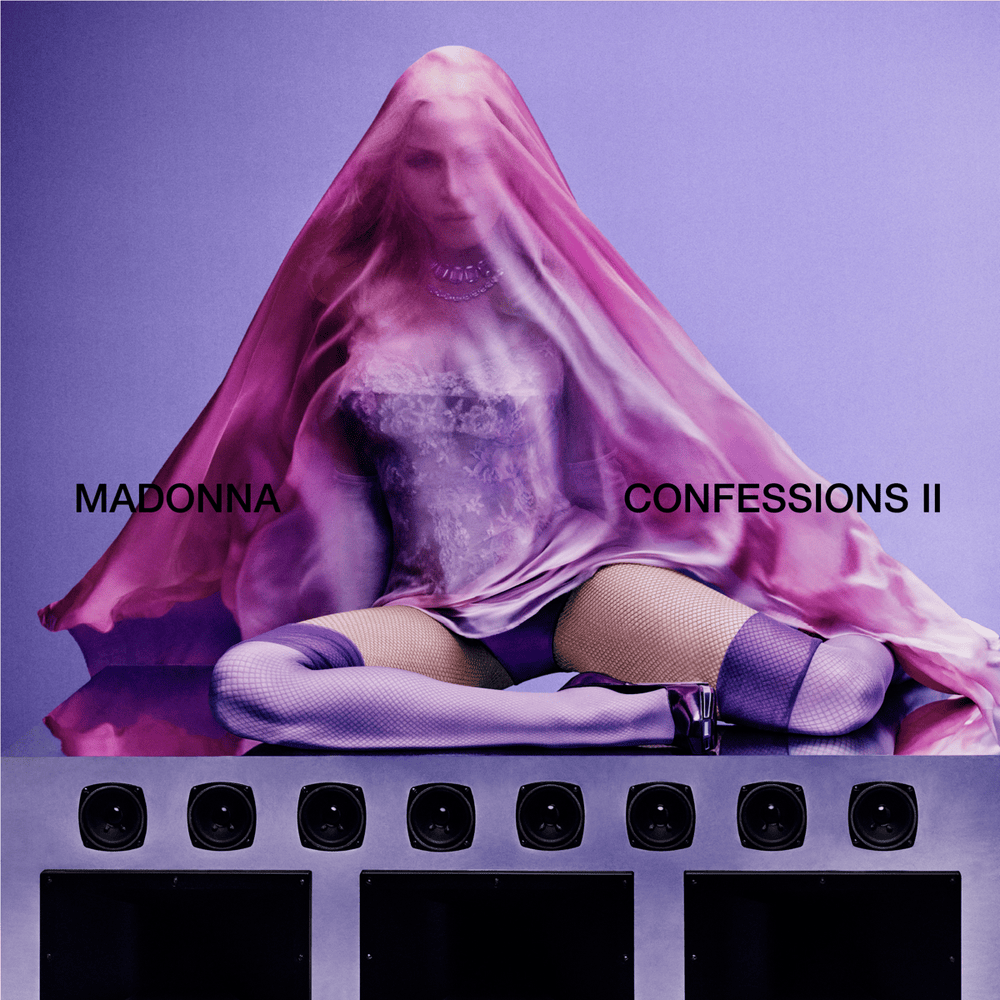
The second season begins with the mainstreaming of voguing, with the release and relentless looping of Madonna’s hit “Vogue.” For the uninitiated, voguing is a form of dance originating in the Harlem ballroom scene. It’s performed by hitting the models’ poses seen in fashion magazines to the beat of the music. In the words of Madonna, you simply “[l]et your body move to the music.” As it’s described by Blanca Evangelista, “It’s a statement. I wanna have a name in this world, I wanna be on top.”
But with this mainstreaming, there is further neglect of the AIDs attacking the community. In this season, the writers double down on the political messaging of the show. The first episode of the season features the cast’s attendance of the “Stop the Church” protest at the St. Patrick’s Cathedral, a real protest hosted by ACT UP in 1989 to call out the Catholic Church’s complicity in the spread of AIDs. Pray cuts a performance to “Vogue” short to call out a queen for failing to attend the protest, saying, “they don’t give a shit about us, so we better start caring about ourselves.”
In the most remarkable episode of the series, the characters find their house sister, Candy, brutally murdered. Throughout the series, Candy is controversial to say the least. She was temperamental and violent, regularly pulling her signature hammer on anyone she disagrees with, and after her death she goes on to haunt several other characters. The episode follows her funeral, seeing the final conversations that never could have happened between her and Blanca, Pray, her parents and so many others. For many episodes, she had pushed for the addition of a lip-sync category to the balls, a basic requirement of any drag show today. Pray announces in his eulogy the addition of the lip-sync category, named “Candy’s Sweet Refrain” in her honor. The episode ends with Candy’s spirit lip-syncing to Stephanie Mills “Never Knew Love Like This Before” to a cheering ballroom and straight tens from the judges.
Two episodes later, Candy’s spirit visits Pray in a hospital room. While planning another AIDs cabaret, Pray experienced an adverse reaction to AZT. In the early days of HIV treatment, the possibility of a reaction such as the one that hospitalized Pray discouraged many patients from pursuing the life-saving drug. Candy appears during the height of his psychosis to offer suicide as an solution to the pain and uncertainty of living with AIDs. Throughout the rest of the series, we see a few other characters seeking out this option, looking for some semblance of control in their deaths. In real life, many AIDs patients pursued this option. In his hallucinatory state, Pray sees his now long gone lover, Costas, and sings to him and the other patients Judy Garland’s “The Man That Got Away” in a ballroom ready fit, a silver suit with an extravagant tail.
Dan Savage once said, “During the darkest days of the AIDS crisis we buried our friends in the morning, we protested in the afternoon, and we danced all night, and it was the dance that kept us in the fight because it was the dance we were fighting for.” In its roller coaster episodes, bouncing from the death of a character to the savagery of the ballroom to the heartwarming family dinners at the House of Evangelista, Pose reminds us of this fight constantly and in its retelling of our past it reminds us as long as we have music to dance to we will never stop fighting for our right to live and love.